
What counts as play
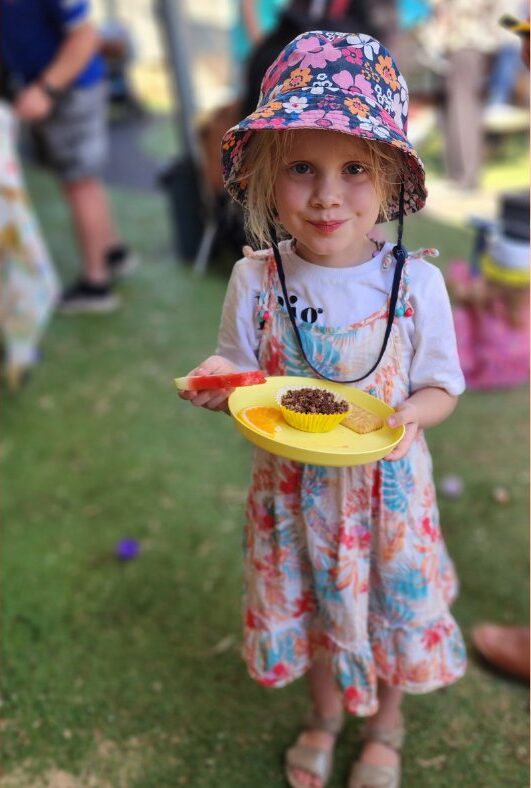
Play is a child’s natural way of exploring the world. It happens whenever children follow their curiosity, use their imagination, move their bodies, or interact with people and objects around them. What might look like simple fun is often a moment of learning, discovery, and growth.
As children grow, types of play evolve. A baby waving their hands, a toddler chasing a butterfly across the garden, a child dressing up as a lion, building a tall tower of blocks, or making music with a cardboard box are all examples of play.
Sometimes, play is loud, energetic, and full of laughter. Other times, it is quiet, focused, and thoughtful. Both are equally valuable. Through playful experiences, children experiment with ideas, practise new skills, and begin to understand how the world works.
Behind every playful moment, important learning is underway. Children develop physical coordination, language and early literacy skills, numeracy awareness, creativity, problem solving, and emotional understanding. They also learn how to cooperate with others, share ideas, and build confidence.
How does free play differ from play-based learning?
Free play is completely led by the child. Children choose what they want to do, how they want to play, and who they want to play with. There are no set learning goals. This freedom helps children develop creativity, independence, and social confidence.
Play-based learning also begins with the child’s interests, but educators gently support the growth happening through each activity. Teachers observe, ask thoughtful questions, and introduce new ideas or materials that encourage children to think more deeply.
For instance, while children build with blocks, an educator might ask how they could make the tower stronger or encourage them to count the blocks. This keeps play enjoyable while helping children develop problem-solving skills.
The different stages of play development
Unoccupied play (0-3 months)
Unoccupied play is the very first stage of play and begins from birth. It may not look like play yet, but these early moments are an important starting point for healthy development.
During this stage, babies move their arms, legs, hands, and feet freely while taking in the world around them. They may kick, stretch, wave their hands, or quietly watch people and objects nearby.
Through these gentle, random movements and observations, babies begin discovering how their bodies work and how they interact with their environment.
Parents don’t need to structure or encourage unoccupied play. Simply providing a safe, comfortable space for movement allows babies to explore naturally.
Tummy time is especially helpful, as it supports muscle strength and body awareness while giving babies new ways to experience their surroundings.
Solitary play (0-2 years)
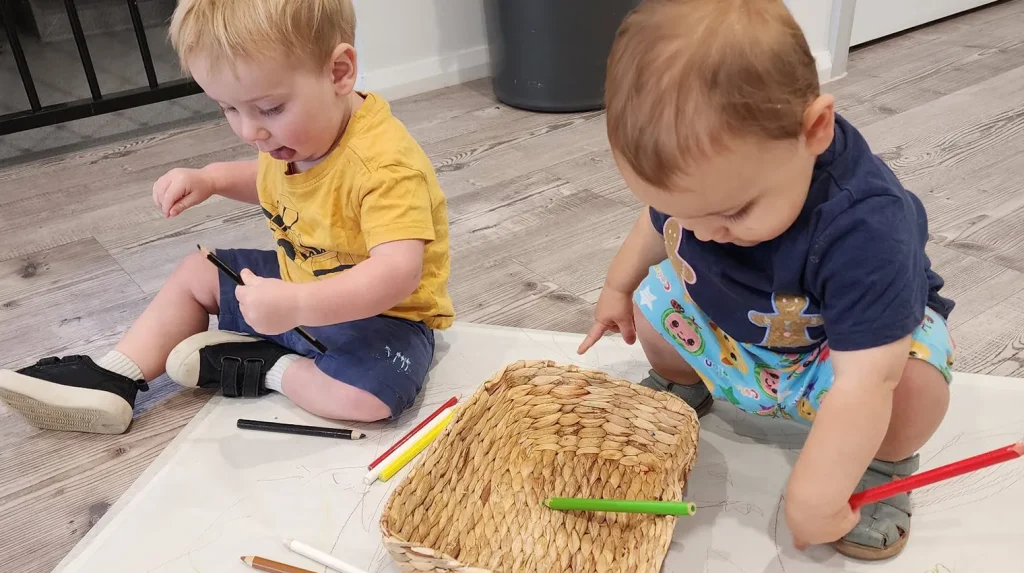
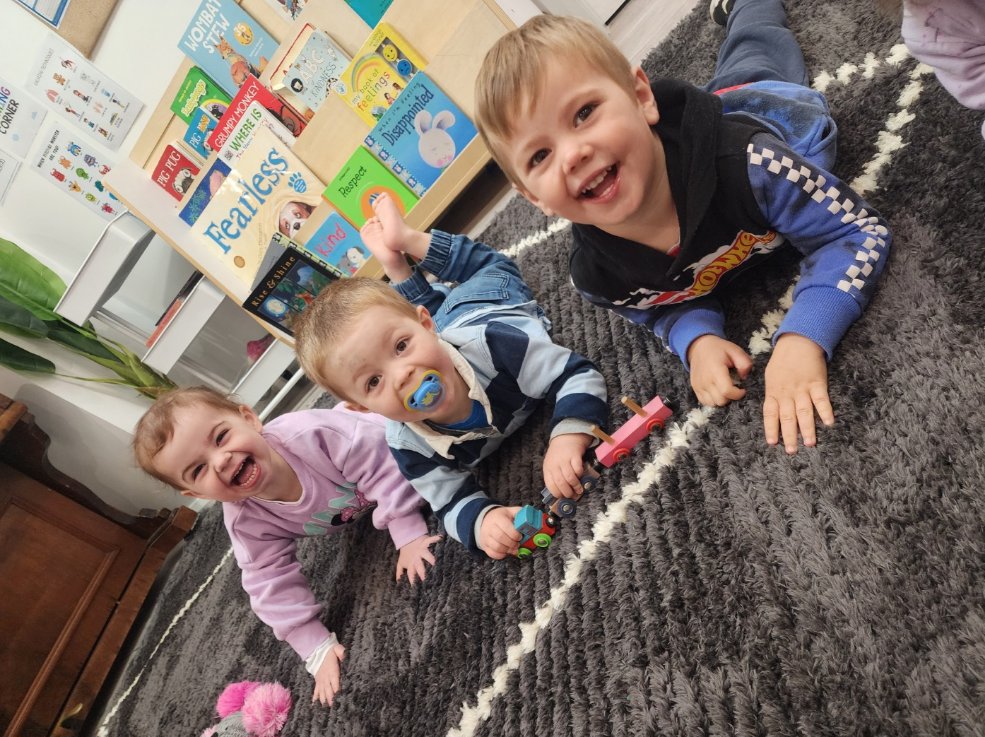
Solitary play, sometimes called independent play, happens when children play on their own. This stage is common in babies and toddlers, although children of any age may enjoy moments of independent play.
At this stage, children focus on their own activity rather than interacting with others nearby. They might stack blocks, try puzzles, flip through books, draw, or engage in simple pretend play.
While it might seem like a child is ignoring others, solitary play is a valuable and healthy part of development. It allows children to build confidence, creativity, and concentration as they discover their interests in their own time.
Onlooker play (2 years)

Onlooker play occurs when children watch others playing without joining in right away. Toddlers often observe carefully during this stage, learning how play works by watching and listening.
They may talk about what they see, ask questions, or chat with the children who are playing, but they usually stay on the sidelines. This stage helps children understand social interactions and build the confidence to participate when they feel ready.
For parents, it can be reassuring to know that observation is a core part of learning. By watching others play, children are quietly building the skills they need to join in later.
Parallel play (2-3 1/2 years)
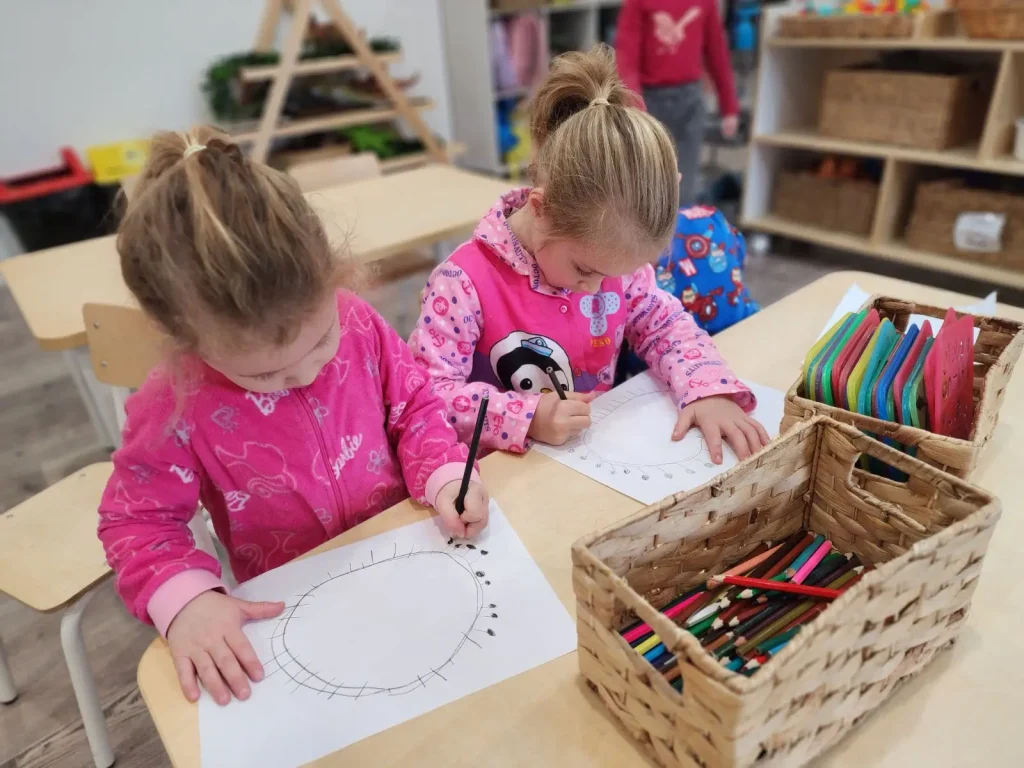
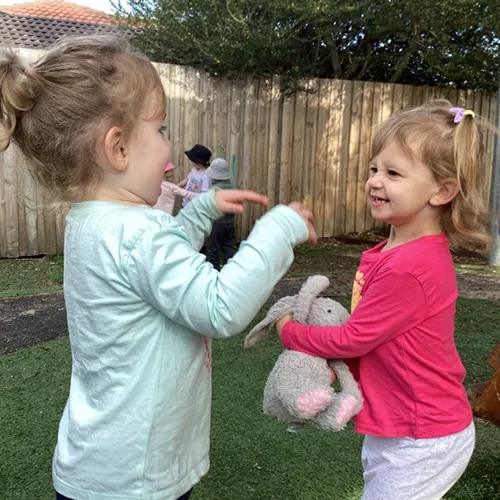
Parallel play happens when children play near each other but not directly together. They may use similar toys or copy what other children are doing, yet each child focuses on their own activity.
For example, two children might sit side by side as they draw pictures. They are aware of each other and may watch or mimic what the other child is doing, but they’re still playing independently.
Parallel play gently introduces children to social play. They begin noticing others around them and learning how to share space and ideas while still feeling comfortable in their own activity.
Associative play (3-4 years)
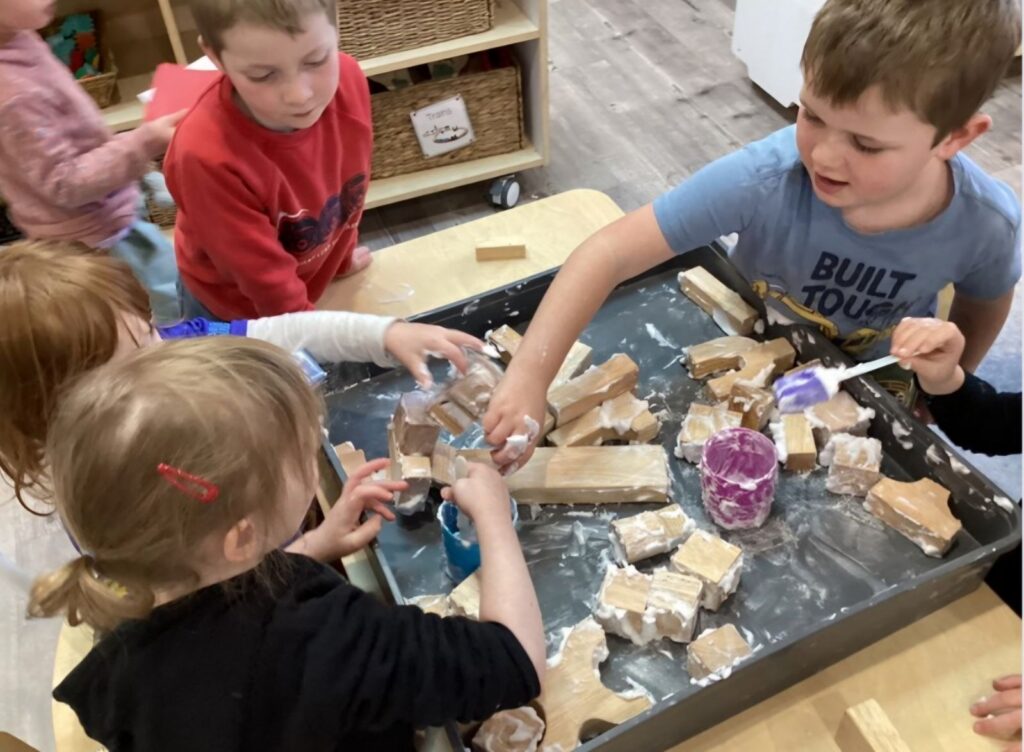
Associative play is when children begin interacting more during play. They show interest in what other children are doing and start practising early social skills such as sharing, talking, and cooperating.
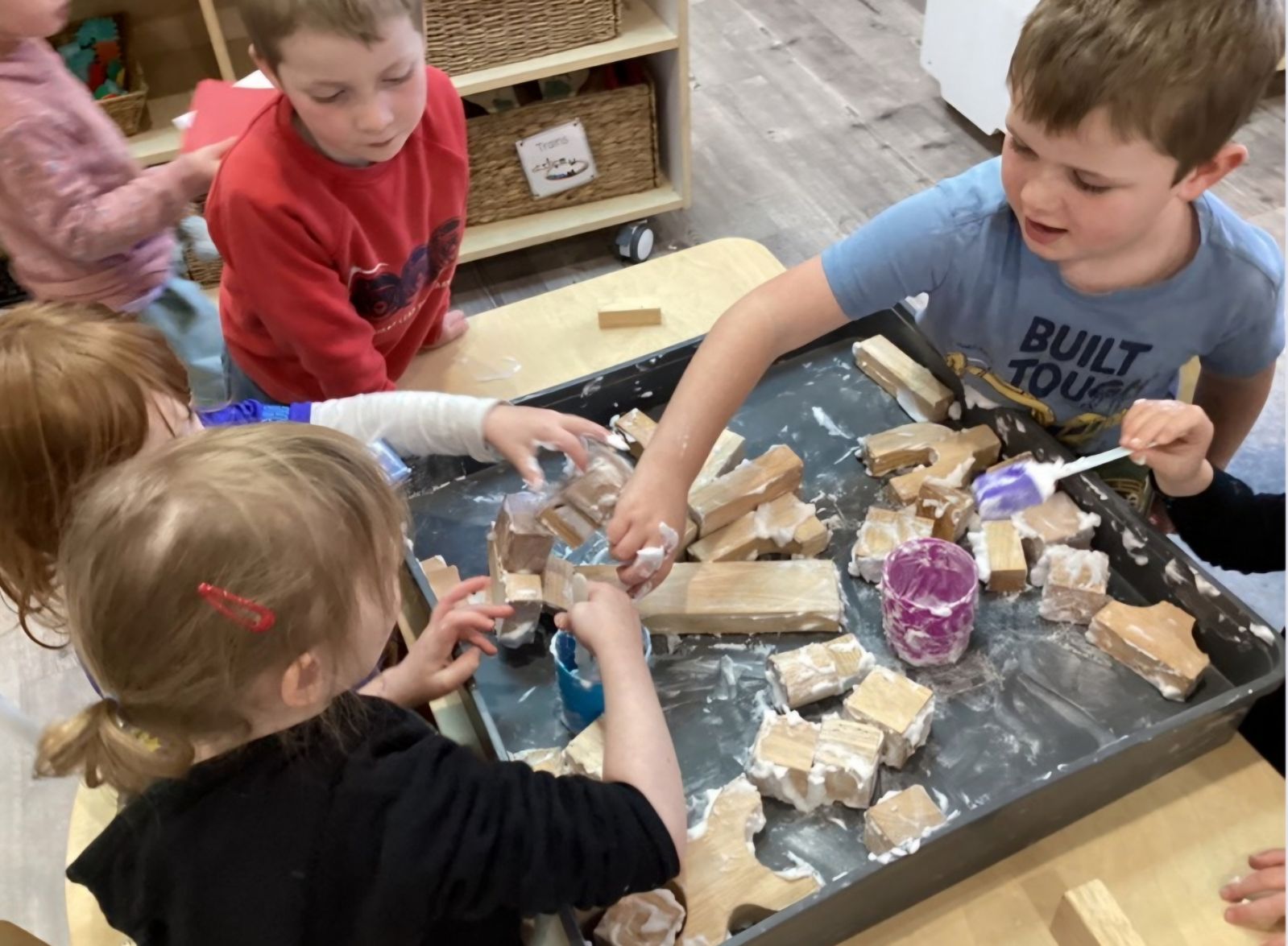
Children may still be working on their own activities, but they engage with each other more often. Unlike in parallel play, they might share toys, ask questions, or combine their ideas to create something together.
For example, children building with blocks might decide to join their structures or borrow pieces from one another. These small interactions help children form friendships and learn how to play together.
Cooperative play (4-5 1/2 years)
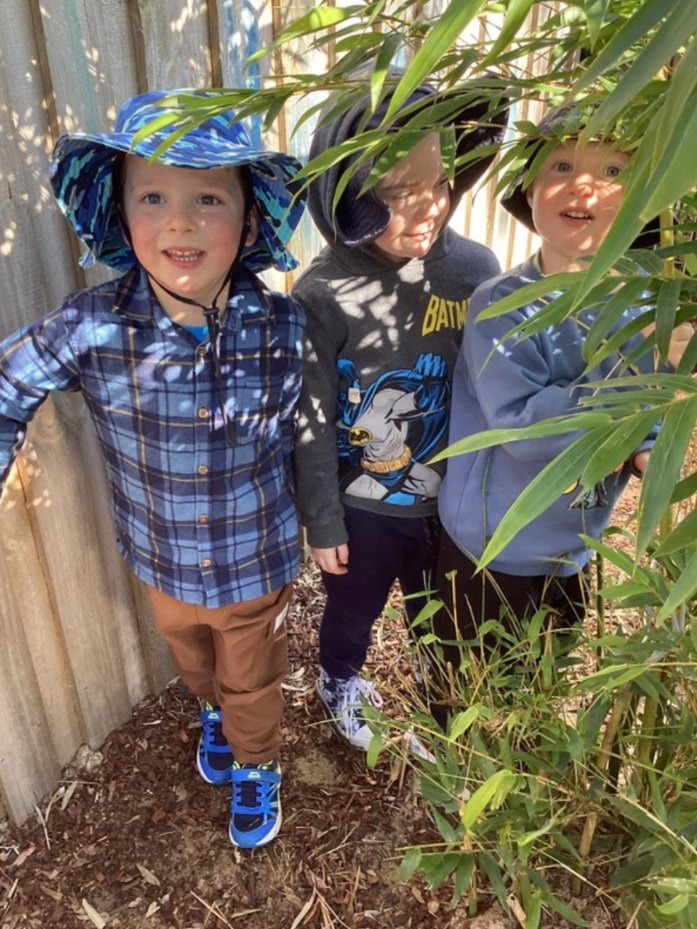
Cooperative play is the stage where children begin working together in a shared activity. They organise their play with roles, rules, and shared goals.
This might include building something together, playing a role-play game, completing a puzzle as a group, or participating in organised games.
During cooperative play, children develop important social and emotional skills. They learn how to communicate ideas, take turns, solve disagreements, and work as a team with other children. Ultimately, these capabilities help build the basis of healthy relationships later in life.
The benefits of play for a child’s development
Play is one of the most important ways young children learn and grow. While it may look like simple fun, these activities help children build the skills needed for healthy physical, social, emotional, and cognitive development.
During the stages of play, children are constantly exploring and experimenting. Building a tower with blocks teaches balance and problem-solving. Rolling or throwing a ball strengthens coordination and gross motor skills. Pretending to run a café or shop encourages communication, imagination, and social interaction.
These everyday moments help children understand how things work. They begin to notice cause and effect, practise new ideas, and develop confidence in their abilities. Over time, these experiences support important developmental milestones, naturally developing skills such as:
- Problem-solving and critical thinking
- Creativity and imagination
- Communication and language
- Social and emotional understanding
- Physical coordination and body awareness
- Confidence and independence
Imaginative play is especially valuable. By playing pretend, whether it’s roleplaying as different characters or creating whimsical stories, they learn to explore emotions, express ideas, and make sense of the world around them. This fantasy play also helps children practise flexibility and adapt to new situations.
How to encourage play at home

Parents play a key role in creating opportunities for play at home. By providing a safe, supportive environment and giving children the freedom to explore, you can help your little one learn naturally through everyday experiences.
Here are some simple ways to encourage meaningful play at home.
Make a safe space
The most important step is to create a space where your child feels comfortable to experiment, move, and use their imagination. When children feel secure in their surroundings, they are more likely to take small risks, try new ideas, and develop confidence in their abilities.
Choose age-appropriate activities
Understanding your child’s stage of development helps set realistic expectations. For example, toddlers under three are still learning about sharing and social play. Activities that suit their age and abilities help them stay engaged and build confidence.
Provide a range of materials
You don’t need expensive or complicated toys. Simple materials often inspire the most creative play. Blocks support building and problem solving, dress-up clothes encourage imaginative storytelling, and art materials help children express themselves.
Let your child lead
Children learn most when they are able to follow their own interests. Instead of directing every activity, give your child the opportunity to guide the play. It can be tempting to step in and show them the “right” way to do something, but real learning happens when they solve problems and discover solutions themselves.
Be open to a little mess
Some of the best learning experiences are hands-on. Whether it’s painting, digging in the garden, playing with water, or exploring different textures, getting a little messy is often part of the process. These sensory experiences support creativity, curiosity, and discovery.
Enjoy the moment
Above all, have fun! Joining in your child’s play helps strengthen your connection while supporting language development. Talk about what they’re doing, ask simple questions, and describe their actions. These small conversations help build vocabulary and communication skills as you enjoy quality time together.
Discover play-based learning with Juniors Journey
Each stage of play in early childhood helps build essential life skills. When children are given time, space, and encouragement to play, they can grow holistically and develop a lifelong love of learning.
At Juniors Journey, we believe play sits at the heart of early education. Our qualified educators thoughtfully support each stage of play, creating safe and engaging environments where children feel encouraged to explore, imagine, and discover at their own pace.
For families in Gateshead, Mildura, and Eglinton, we offer a welcoming early learning environment where every child is supported to thrive. To learn more, book a tour, enrol your child today or get in touch with our friendly team today.