

The benefits of daycare for child development
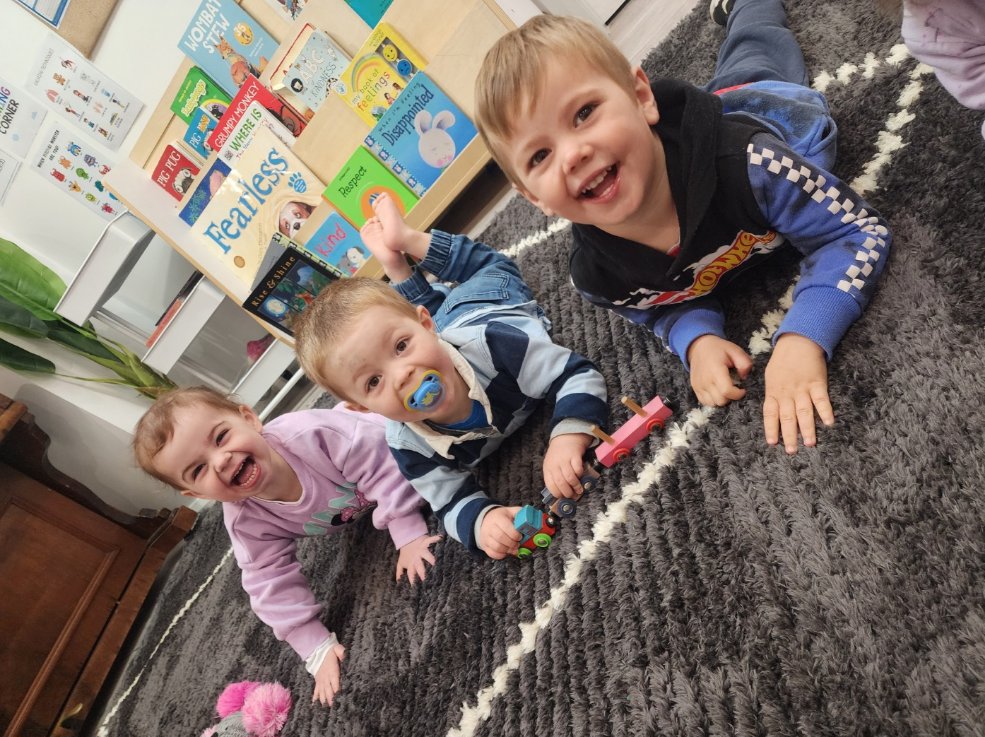
At a daycare centre, children are empowered to build independence, form friendships, and become confident, capable learners.
Long-term research supports these benefits. According to the National Institute of Child Health and Human Development (NICHD)’s Study of Early Child Care and Youth Development, consistent, age-appropriate daycare can encourage healthy development.
Below, we walk you through the advantages of this early childhood education in more detail.
Literacy and cognitive development
Research from the Australian Institute of Health and Welfare shows that high-quality childcare can support expressive vocabulary and intellectual development.
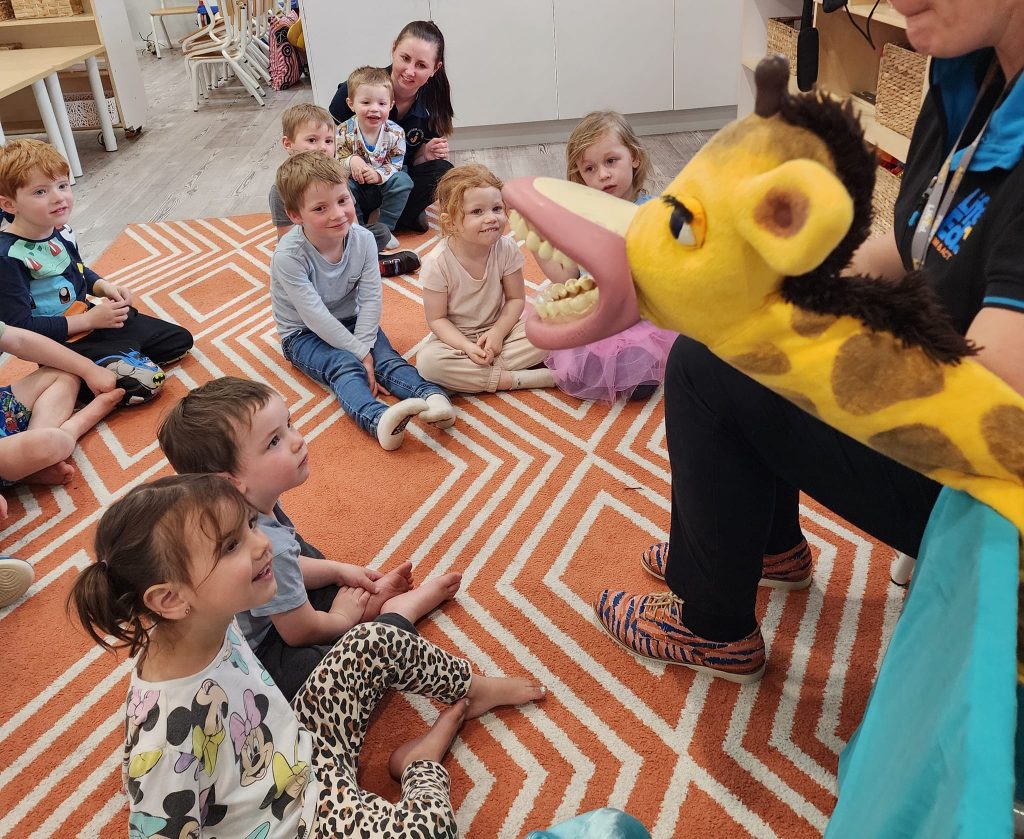
Daycare does this by giving infants and toddlers plenty of natural opportunities to build the foundations for communication, literacy, and logical thinking.
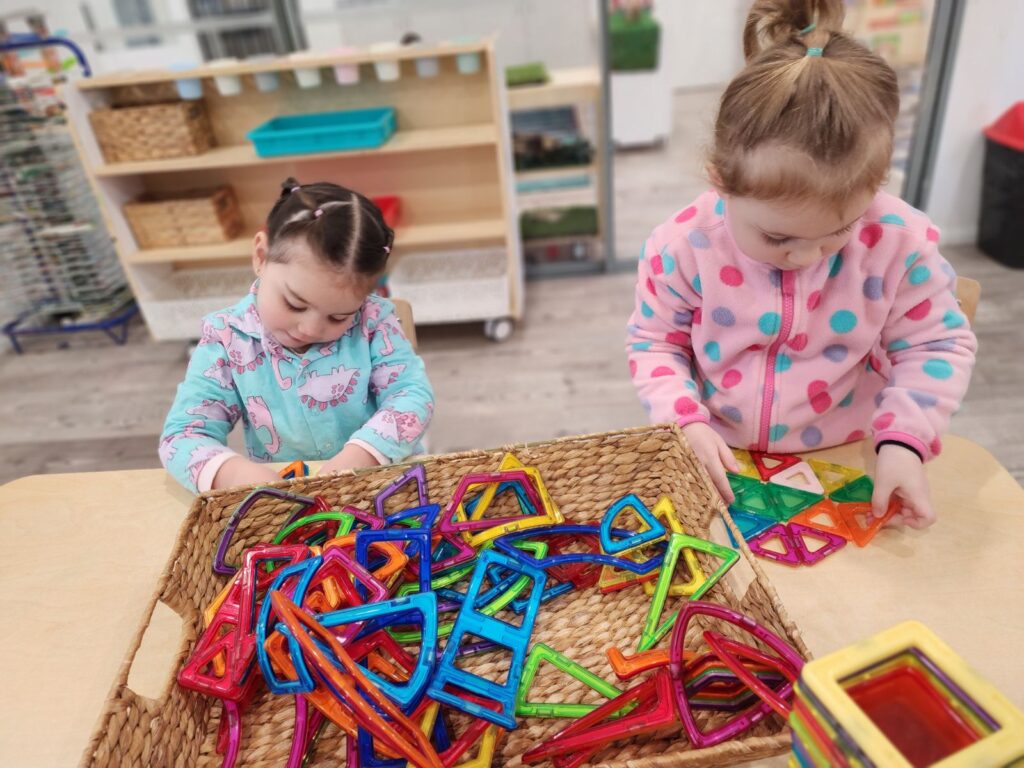
At Juniors Journey, our educators use music, movement, storybooks, sensory play, numeracy games, group time and hands-on activities to help children understand the world around them. They paint, draw, sing, pour, build, sort, listen, ask questions, and use their imaginations.
These little moments add up. Over time, play-based learning helps young minds to practice focus, memory, language, early maths, coordination and problem-solving in a way that feels safe, familiar and enjoyable.
Socio-emotional growth
One of the most valuable parts of daycare is the chance for children to spend time with other children in a caring, supported environment.
For example, the Melbourne Institute of Applied Economic and Social Research reports that children who attend daycare generally have better socio-emotional outcomes and higher social competence than those cared for through informal arrangements.
That’s because every day, they’re presented with opportunities to join in, take turns, share space, use their words, listen to others and cope when things don’t go their way.
Early childhood educators are also close by to help them name feelings, solve small conflicts, wait for a turn, comfort a friend and understand how their actions affect others.
These regular interactions help little ones to build empathy, resilience and confidence. They begin to understand themselves, connect with other babies or children and feel more comfortable in group settings.
Self-regulation and independence
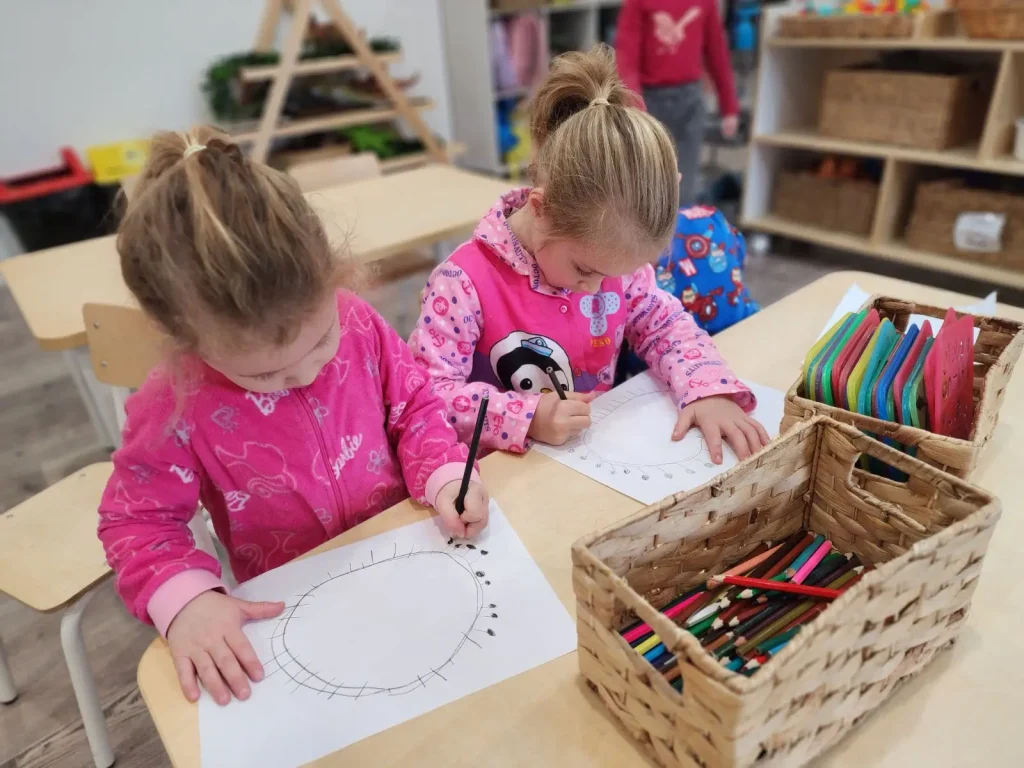
Daycare helps children foster independence in small, everyday ways. They learn to choose an activity, pack away toys, wash their hands, wait for a turn, sit with others at mealtimes and move from one part of the day to the next.
These routines teach children to understand boundaries, manage emotions and feel more confident in a group. With gentle guidance, children learn what to do when they feel frustrated, how to ask for help, and how to try again when something feels hard.
At Junior’s Journey, our educators take the time to understand each child’s personality, interests, preferences and emotional cues. In turn, they feel safe enough to explore, make friends and build autonomy away from family members.
School readiness
Daycare plays a key role in preparing young children for a smooth transition to big school.
After all, school readiness isn’t only about recognising letters, numbers or colours. It’s also about being able to follow routines, listen in a group, ask for help, manage emotions, play with others and feel confident in a new environment.
At Juniors Journey, our preschool program helps children get ready for kindy through a mix of structured and play-based learning.
Children practice concentration, group participation, early literacy, early numeracy, problem-solving and independence through experiences that still feel joyful and age-appropriate.
They might work through a group puzzle, listen to a story, care for a garden, follow a morning routine, role-play a real-life situation or talk through a problem with an educator.
Together, these experiences help little learners develop the confidence and capabilities needed for classroom education.
Future academic performance
The value of an excellent early learning centre can continue long after your child leaves daycare.
For instance, the NICHD study followed children into adolescence and found that high-quality early childcare was linked with small but meaningful improvements in cognitive and academic outcomes at age 15.
Ultimately, daycare helps lay the building blocks that support children to thrive well into their school years.
Practical considerations for daycare
Every childcare option comes with its own set of challenges, and daycare is no different. Being across these potential limitations before you start your search means fewer surprises along the way.
Long waiting lists
Demand for quality childcare across Australia tends to outstrip supply, with many waitlists stretching anywhere from twelve to eighteen months. It’s one of those things no one really warns you about, and it catches a lot of families off guard.
We recommend getting your child’s name on your preferred centre’s waiting list as early as possible, ideally during pregnancy.
If you’ve recently moved or childcare simply wasn’t on your radar until now, contact centres directly and join a few lists at once. Places do come up, and being proactive can make a real difference.
Fixed operating hours
Most childcare centres are open Monday to Friday for a set number of hours to suit parents working a traditional day job.
But if your schedule shifts week to week, or your role occasionally runs late, those set hours can fall short.
While daycare is still a more convenient solution than stay-at-home care when it comes to freeing up parents, this fixed availability is something you need to consider.
Before enrolling, have an honest conversation with the early education centre about your schedule and how they can help.
At Juniors Journey, we offer weekend and long daycare designed with busy families in mind, giving you more room to breathe.
The drawcards of stay-at-home childcare
For some families, keeping childcare at home makes sense in the early years. Let’s take a look at the reasons why you might choose to care for your child yourself full-time.
You can give your undivided attention
Staying at home means one-on-one care. Your little one has your full focus throughout the day.
That intimate familiarity, the way you read their cues, anticipate their needs, and respond to them as an individual, is one of the key strengths of stay-at-home childcare.
You’ll enjoy hours of bonding time together
Caring for your child at home during their early years means you’ll always be there for the special moments: the first attempts at a new word, the way your child figures something out for the first time, the things that make them light up.
You’ll get to spend plenty of hours together every day. This closeness is one of the most rewarding parts of stay-at-home childcare.
You’ll have complete control over your child’s routine
If your child has a sleep routine that took weeks to establish, specific dietary needs, or simply does better when life feels familiar, stay-at-home care makes it easy to maintain that consistency. You set the schedule, and the entire day runs around your child’s needs.
Importantly, though, daycare centres like Juniors Journey can work closely with families to honour individual routines and needs as well. From naps to allergies, it’s always worth having this conversation with your preferred provider before ruling anything out.
You could save on childcare costs
Avoiding centre fees is an obvious financial benefit, and for some families, it tips the scales in stay-at-home care’s favour.
That said, Australia’s Child Care Subsidy (CCS) can reduce the cost of daycare significantly, covering up to 90% of fees in some cases. Stay-at-home care also tends to come with the trade-off of earning a second income (more on this below).
To make sure stay-at-home care is the more affordable path for your family, it’s important to calculate your expected costs and potential savings carefully.
At Juniors Journey, we’re happy to help you understand what you’re likely to be eligible for. The numbers are often more encouraging than families expect!
The drawbacks of in-home care
Stay-at-home care offers closeness, consistency, and the comfort of a familiar face every day. On the other hand, it also comes with some disadvantages compared to daycare.
A real workload for parents
Caring for a child at home is a full-time job. Unlike families using daycare, where the structure of drop-off and pick-up creates natural breaks, stay-at-home carers rarely have clear boundaries between childcare and everything else life demands.
Meals, housework, errands, rest, and any paid work all have to fit around a small person who needs constant attention and energy.
For many parents, the cumulative weight of that can build over time. If you go down this route after paternity and maternity leave come to an end, make sure you understand what a typical week looks like and what support structures you have around you.
No support from professional early childhood educators
Early childhood educators in Australia complete formal studies in child development and work within nationally recognised learning frameworks.
This training shapes how we interact with children: the language we use, the activities we design, and the way we respond to different developmental stages. It’s a specific skill set that’s built over years of targeted education.
For a parent caring for their child at home, it can be hard to provide the breadth of structured, intentional learning that experienced educators are qualified to deliver.
Adult connection can become harder to find
Days spent at home with a young child can quietly narrow a parent’s world. Adult conversation, professional identity, and the ordinary stimulation of engaging with adults outside the family can all fade into the background.
Many stay-at-home carers describe a creeping sense of disconnection that’s easy to dismiss but worth taking seriously.
Local playgroups, parents’ groups, and regular time with friends and family all help, but building that network requires ongoing effort, and not everyone has easy access to it.
The financial pressure is significant
The financial reality of stay-at-home care is something every family needs to look at closely.
Beyond the immediate impact on the household budget, extended time away from the workforce affects superannuation, long-term career trajectories, and future earning potential in ways that compound over time.
These aren’t reasons to rule out stay-at-home care, but they’re practical considerations that deserve a frank conversation early on.
Fewer opportunities for social development
Children learn an enormous amount from other children, whether while sharing, taking turns, reading social cues, or working through disagreements.
These skills develop through regular, repeated interaction with peers, and they’re hard to build in a home environment without consistent, structured social opportunities.
Stay-at-home care doesn’t make strong social development impossible, but it does make it something you have to actively plan for, through playgroups, community programs, and regular time with other children.
In an early childhood education centre, that social practice happens naturally, every single day.
Choosing between daycare vs stay at home care
From your child’s needs and family dynamics to your finances and job situation, all kinds of factors play a role in this decision. Ask yourself:
- What is my child like? You know your little one best. Some children are social butterflies who absolutely come alive around other kids. Others take a little more time to warm up to new faces and environments, and that’s completely okay, too.
- What does our financial situation look like? Crunch the numbers before making any decisions. Childcare can feel expensive at first glance, but the CCS can make it feasible for many families. You might find that daycare is more affordable than you expected, so it’s worth checking what support you’re entitled to before assuming it’s out of reach.
- Who do we have around us? Take an honest look at the support you have close by. Stay-at-home care can work well when there are people around to lend a hand, but it can feel much harder when that support is limited.
- What’s available to us locally? The quality of early learning centres varies, and the difference really does come down to the people inside them. Visit, spend some time in the space, ask the questions on your mind, and pay attention to how it feels when you walk through the door.
- What do I need as a parent? Please don’t push this one aside. Your happiness, your sense of self, and your energy all flow directly into your child’s world. What’s good for you genuinely matters here, just as much as everything else on this list.
At the end of the day, this is a deeply personal decision, and only you know what’s best for your child and your family.
Blended childcare: finding a rhythm that works for your family
Remember that the choice between daycare and stay-at-home care doesn’t have to be all or nothing. Many families find that a blended approach ends up fitting their lives best.
Part-time daycare a few days a week gives your little one regular time with peers, rich learning experiences, and the warmth of a consistent educator relationship, while still preserving plenty of unhurried time at home with the people they love most.
For parents, those days also create opportunities to focus on other areas of life, while making the time at home feel even more precious.
Children who spend time in both environments also develop the confidence to feel at home in different settings, with different people, and within different routines. That kind of adaptability is a gift that stays with them long after the early years have passed.
Importantly, every child learns at different rates, and what works well at twelve months may need adjustment at two or three years.
Your childcare setup can evolve alongside your child’s needs, whether that means gradually adding more days at a centre or stepping back during bigger life transitions.
At Juniors Journey, we welcome families who need part-time childcare and work closely with parents to make each arrangement feel seamless.
Why quality is at the heart of effective childcare
Whether a child is at home or a daycare centre, what shapes their development most is the quality of care they experience each day.
Warm, responsive relationships, an inclusive and stimulating environment, age-appropriate activities, low child-to-caregiver ratios, and experienced, devoted educators. These are the qualities that nurture growth, wherever a child spends their early years.
In Australia, the National Quality Framework (NQF) sets the national benchmark for early childhood education and care, making sure centres meet high standards across children’s health, safety, wellbeing, and learning.
At Juniors Journey, we’re proud to meet all NQF standards, ensuring every child feels welcome, valued, and supported.
Our days are built around a thoughtful rhythm of group time, outdoor play, and hands-on discovery. This predictability gives children the security to take risks, try new things, and build confidence.
Play-based learning runs through everything we do, because children learn best naturally when they’re doing something they love. Whether your child is drawn to building, painting, storytelling, or splashing in puddles, we encourage them to embrace fun, meaningful learning opportunities in a safe space.
Discover play-based daycare with Juniors Journey
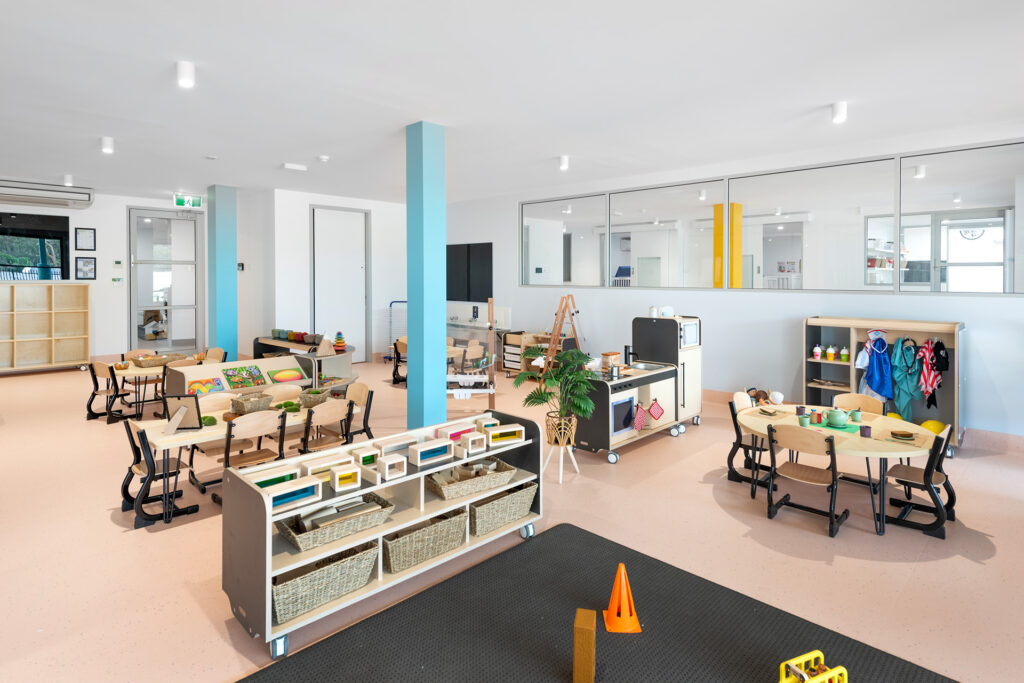
When it comes to daycare vs stay-at-home care for child development, high-quality early learning centres can help strengthen social, emotional, cognitive, and academic skills.
For many families, daycare offers a steady rhythm, structure and social connection that can be difficult to replicate at home. Friendships can blossom while qualified educators facilitate play-based learning experiences at every stage of development.
Ultimately, though, the most suitable setup depends on your child’s needs, your work, your budget, your support network and what feels realistic day to day.
If daycare feels right for your family, we would love to welcome you. With early learning centres in Gateshead, Mildura and Eglinton, Junior’s Journey offers a warm and nurturing place for children to learn, play and develop skills at their own pace.
Book a tour, enrol your child or speak with our team to learn more.