
Play-based learning empowers little learners to grow at their own pace. Instead of sitting through structured lessons, children are encouraged to explore, build, pretend, create and move. These engaging experiences nurture the emotional, physical and cognitive development needed for big school and later life.
At Juniors Journey, our educators embrace this evidence-based approach every day. Here, we explain popular play-based learning activities, tips and FAQs to help you support your child’s early education at home.
What is play-based learning?
Play-based learning is an approach to early childhood education where children learn through fun, unstructured activities instead of formal, desk-based lessons. It recognises that when children feel engaged and capable, real learning happens naturally and lasts well beyond the early years.
After all, young minds are wired to explore, use their imaginations and interact with others. When little learners play, they are making sense of the world.
Importantly, play-based learning supports the whole child at once. Instead of rushing academic skills too early, it builds strong cognitive, social, emotional and physical foundations for a lifelong love of learning.
A key part of this approach is the balance between freedom and guidance. Children lead their play based on their own interests, while educators stay close, observing and stepping in intentionally when it adds value.
We might ask a thoughtful question, introduce a new resource, or gently extend the experience to further education.
Examples of play-based learning in early childhood education
This unstructured play can manifest in many ways, all of which foster early learning through active, purposeful experiences.
Physical play

Physical play is often the most visible kind of learning. It’s the running, climbing, jumping and balancing that fill playgrounds with energy.
As children test what their bodies can do, they build coordination, core strength, balance and spatial awareness. These skills are essential for everyday tasks like sitting upright, holding a pencil and participating in sports and group activities.
Physical play also supports resilience. When children try again after slipping, misjudging a jump or losing a race, they learn persistence and self-belief. Meanwhile, group games encourage turn-taking, cooperation and communication.
Examples include:
- Climbing playground equipment
- Chasing games
- Running races
- Ball games such as kicking, throwing or catching
- Obstacle courses
Sensory play
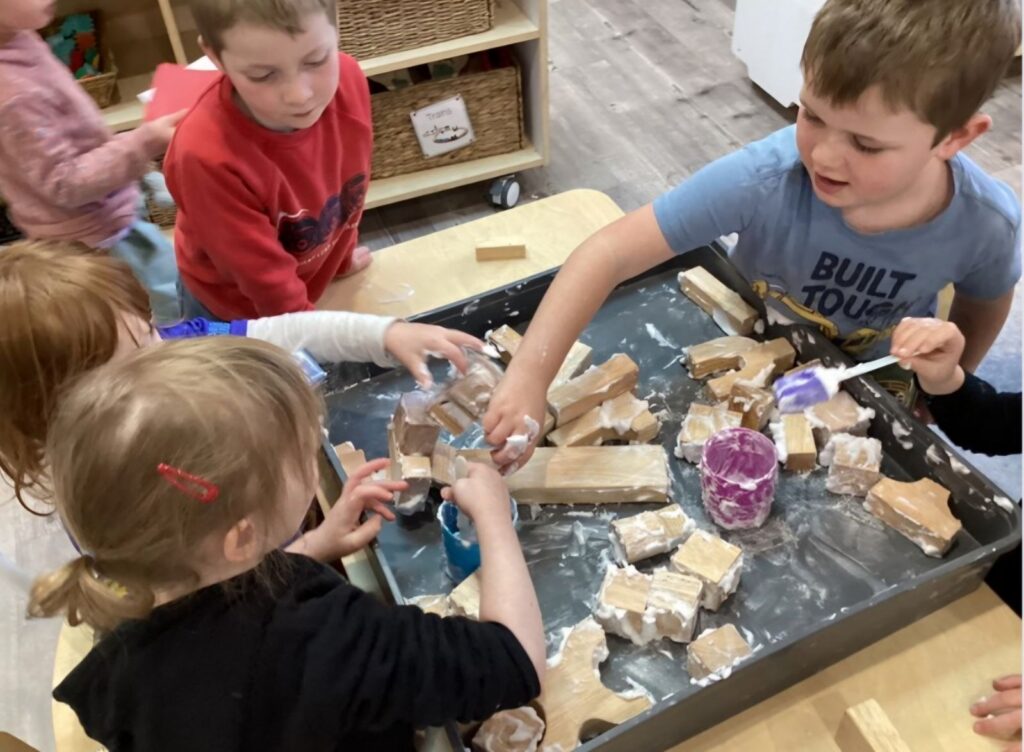
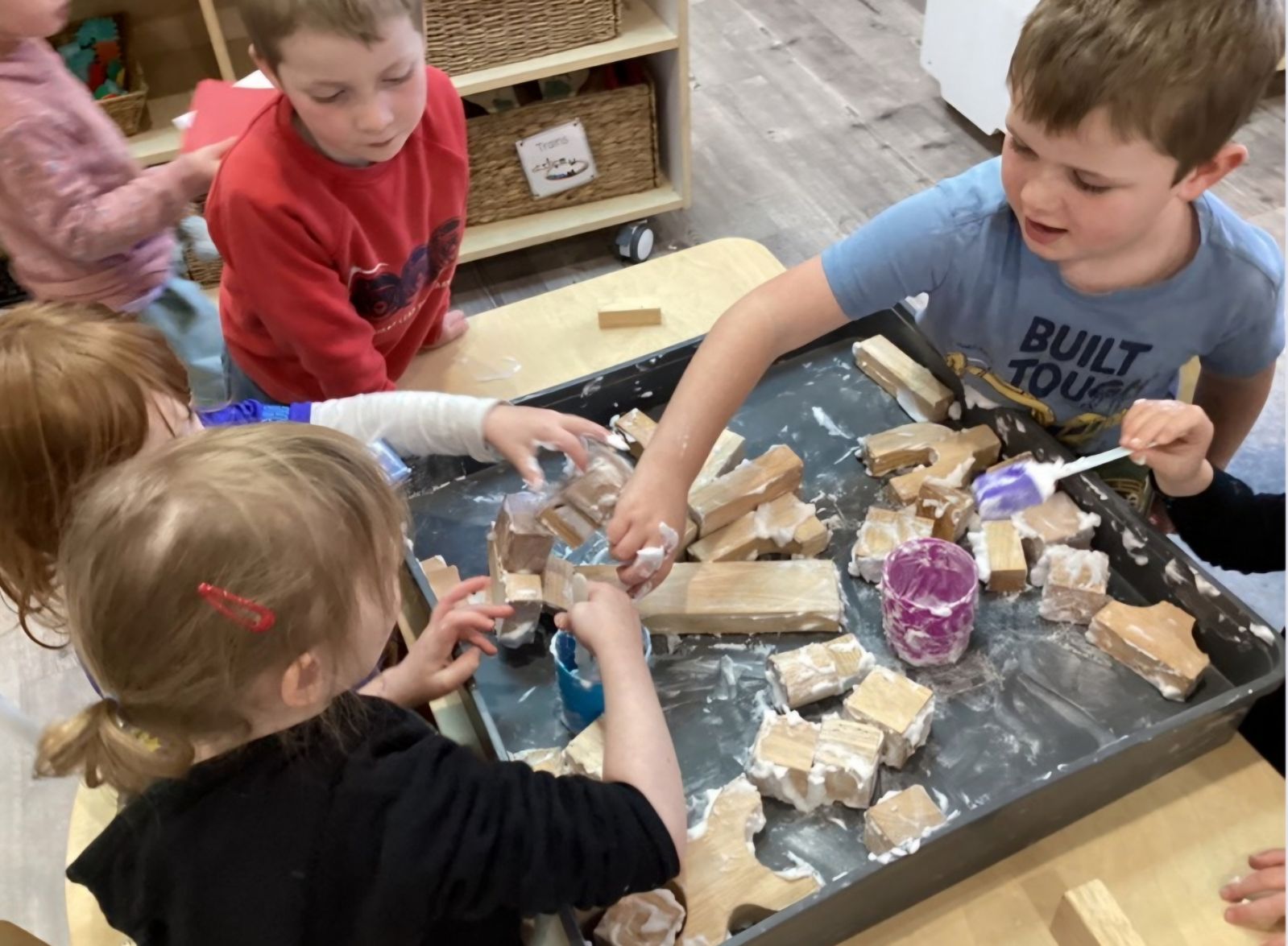
Sensory play invites children to explore through touch, sight, sound, smell and sometimes taste. It might look simple on the surface, but it plays a powerful role in brain development.
When children pour water, sift sand or feel different textures, they are strengthening neural connections that support memory, focus and problem solving.
Sensory experiences can also be calming. Many children find comfort in repetitive actions such as scooping, mixing or pouring.
Ultimately, these activities help children regulate their emotions and feel grounded, particularly when they are still learning how to manage big feelings.
Examples include:
- Sensory tubs with rice, beans or natural objects
- Exploring textured fabrics or materials
- Listening to and identifying different sounds
Imaginative play
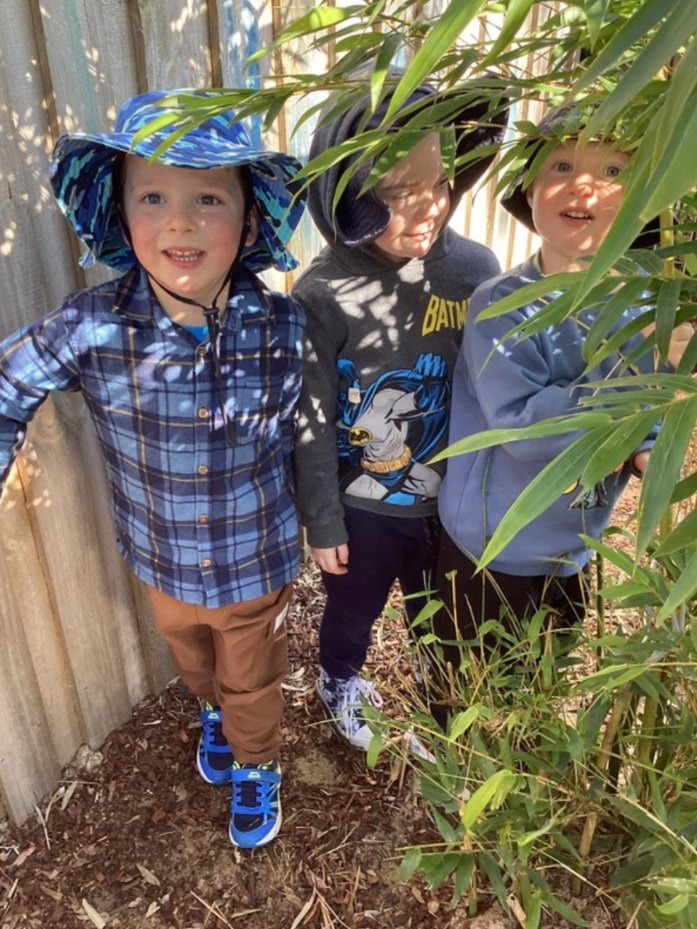
Imaginative play allows children to step into someone else’s shoes. When a child pretends to be a parent, a doctor or a shopkeeper, they are practising real-life situations, trying new things and testing boundaries in a safe and playful way.
This kind of play supports emotional intelligence, empathy and social awareness. Through storytelling and role play, children experiment with new words, negotiate roles and express feelings. They also learn how to cooperate, solve problems and understand different perspectives.
Examples include:
- Playing house or family
- Pretending to be a doctor, teacher or firefighter
- Performing puppet shows
- Creating stories with dolls or figurines
Construction play
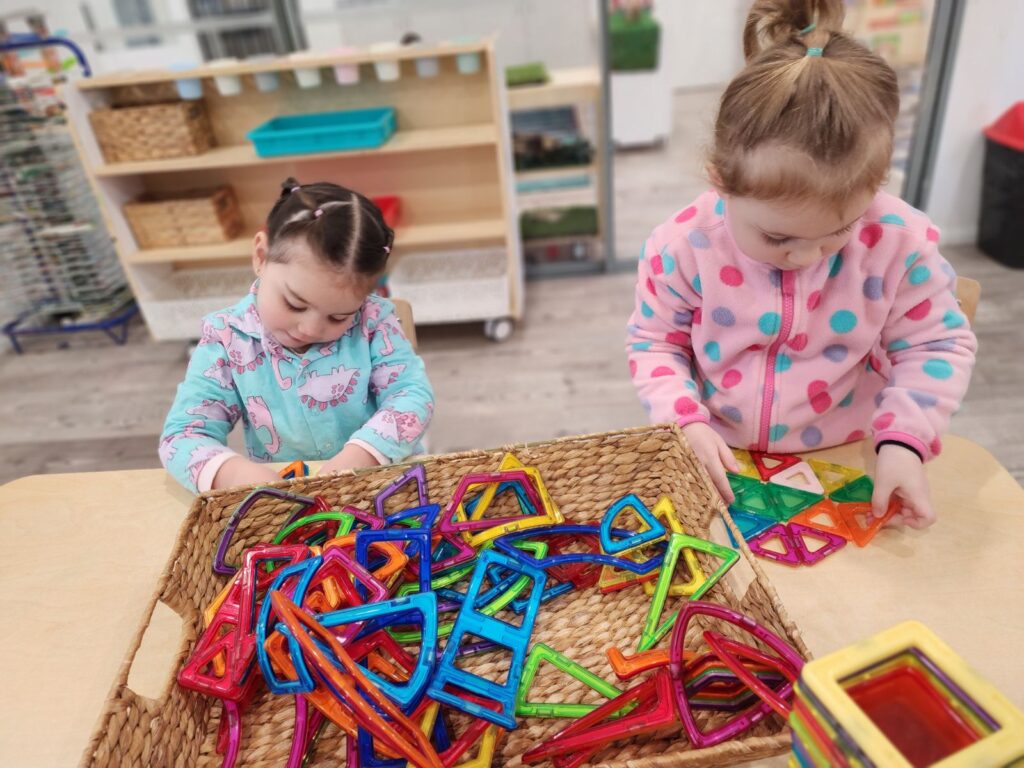
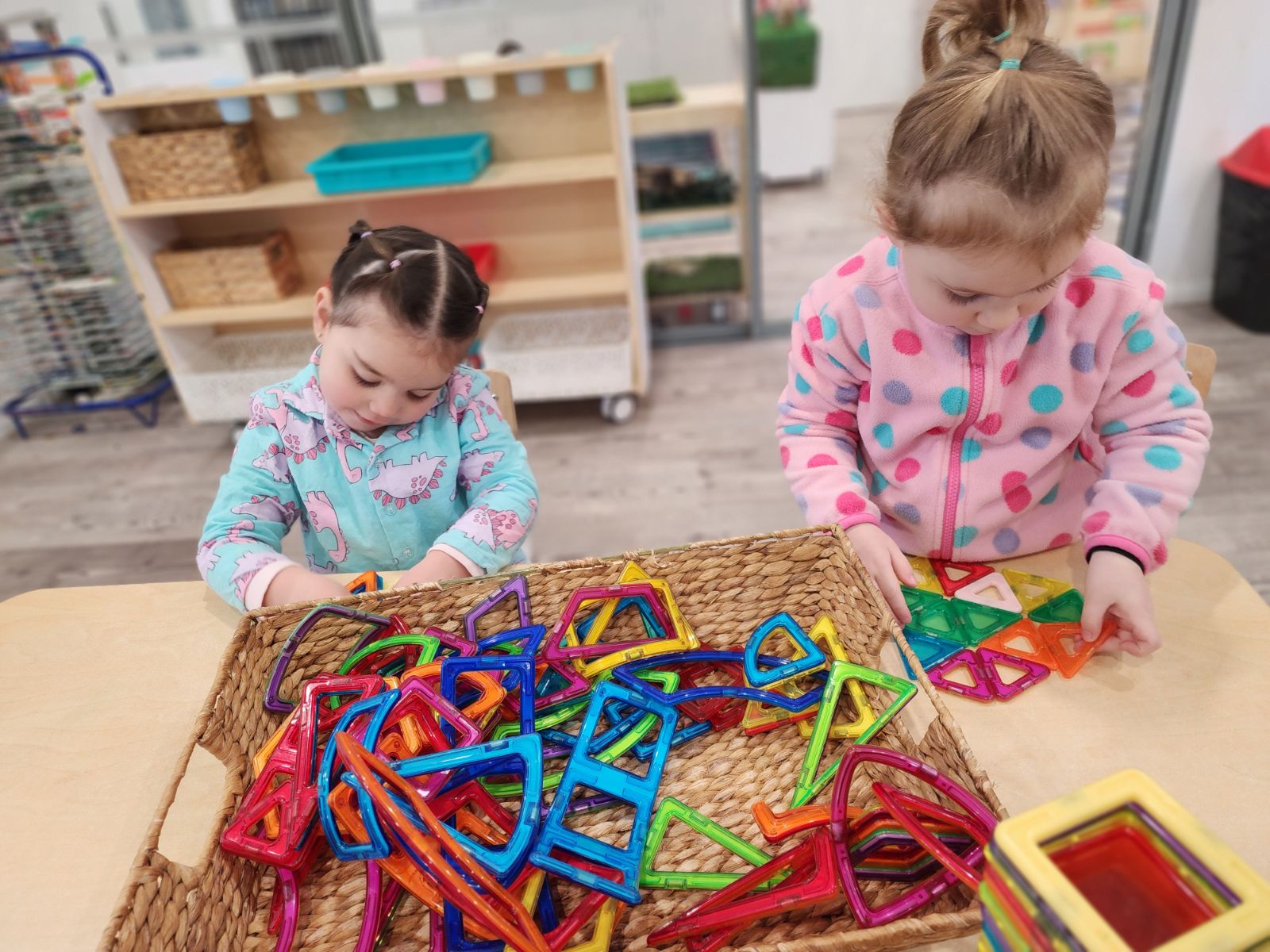
Construction play is about building, testing and creating. Whether stacking blocks or designing a marble run, children are exploring cause and effect. They learn what happens when a tower is unbalanced or when a ramp is too steep. This builds logical thinking and early mathematical understanding.
It also strengthens fine motor skills. Picking up small pieces, connecting parts and adjusting structures improves hand control and coordination.
Lastly, this building play encourages patience and persistence, especially when children work through trial and error to achieve their goal.
Examples include:
- Building with wooden or magnetic blocks
- Completing jigsaws and puzzles
- Creating structures from recycled materials
- Assembling train tracks or marble runs
- Building small worlds with sticks, stones and leaves
Creative play
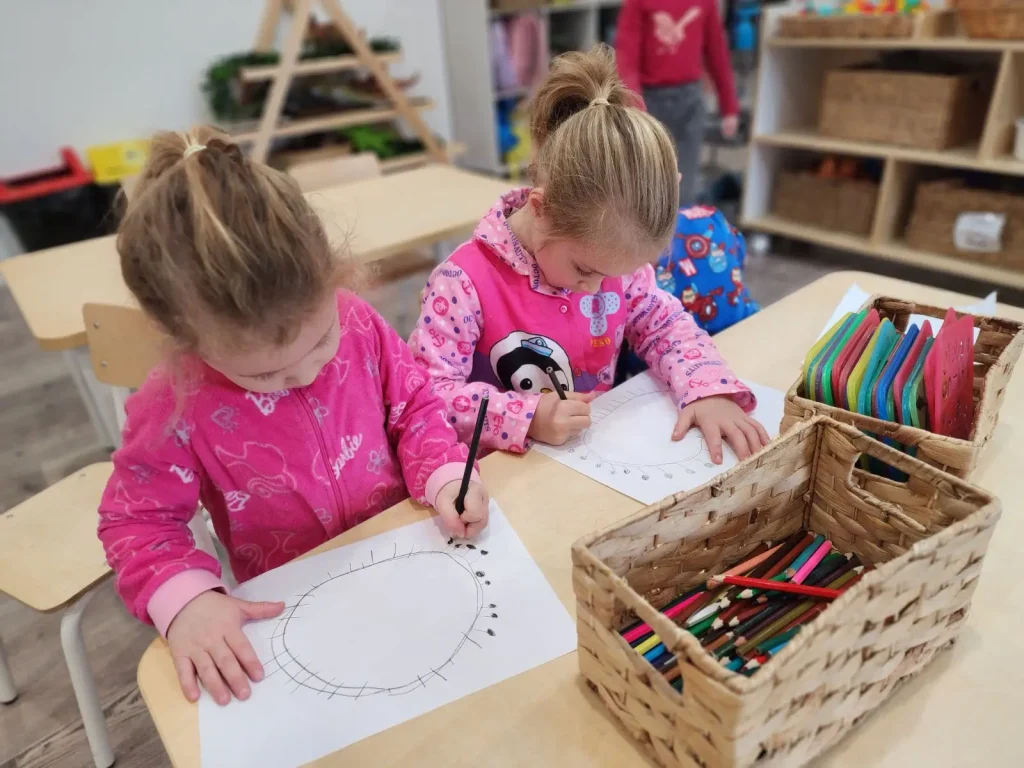
Creative play gives children the freedom and confidence to express themselves. When a child paints, draws or sculpts, they’re sharing their ideas and feelings in a way that doesn’t rely on advanced language skills.
Creative activities also strengthen fine motor development and hand-eye coordination. Choosing colours, making decisions about shapes and experimenting with materials encourages independent thinking and imagination.
Examples include:
- Drawing and painting
- Collage and craft projects
- Sculpting with clay or salt dough
- Creating with beads, cardboard rolls or pipe cleaners
- Exploring colour mixing and patterns
Music play
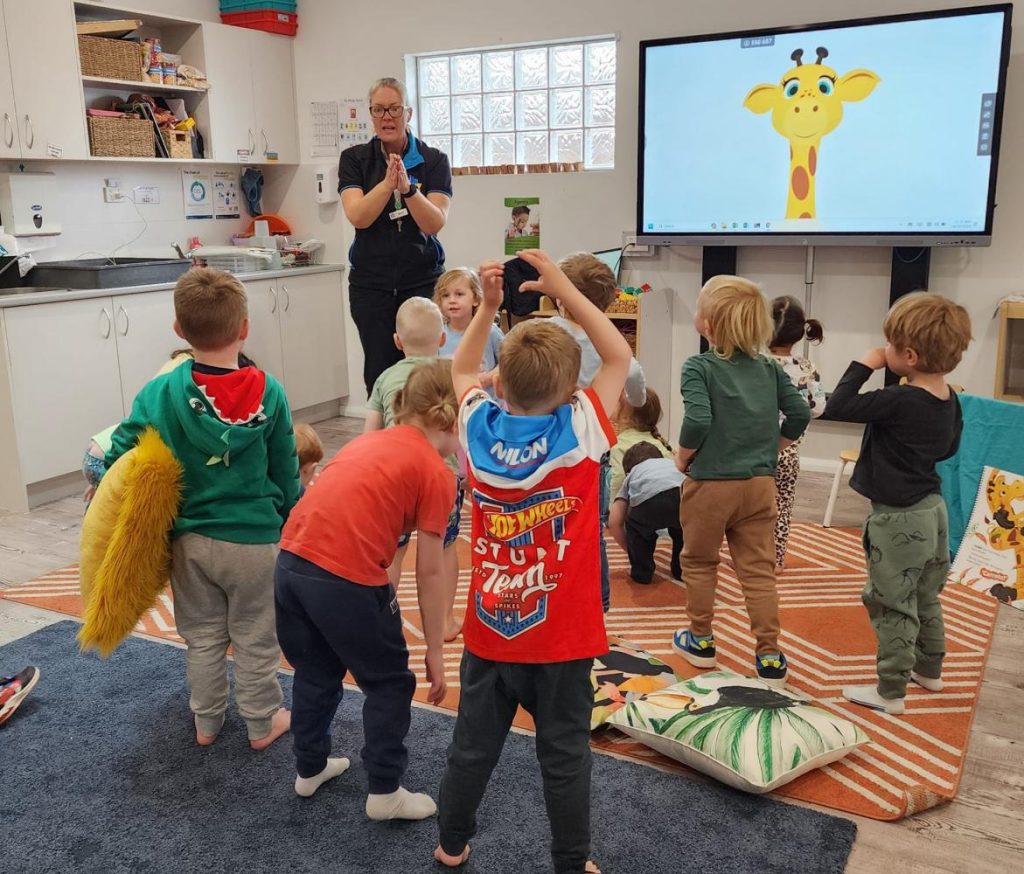
Music play fills a space with warmth, movement and connection. When children sing, clap and move to a steady beat, they are strengthening important early literacy skills such as listening, rhythm recognition and sound awareness.
The repetition in songs and nursery rhymes helps new words stick, gently expanding vocabulary and supporting memory.
Moving to music also supports physical development. Dancing, swaying and marching build balance, coordination and body control. Singing together encourages confidence and helps children feel part of a group.
Just as importantly, music gives children a safe and joyful way to express their feelings, whether they are excited, calm, proud or simply full of energy.
Examples include:
- Singing nursery rhymes
- Making up simple songs
- Dancing to different rhythms
- Clapping, marching or stamping to a beat
- Shaking homemade instruments filled with rice or beans
Literacy play
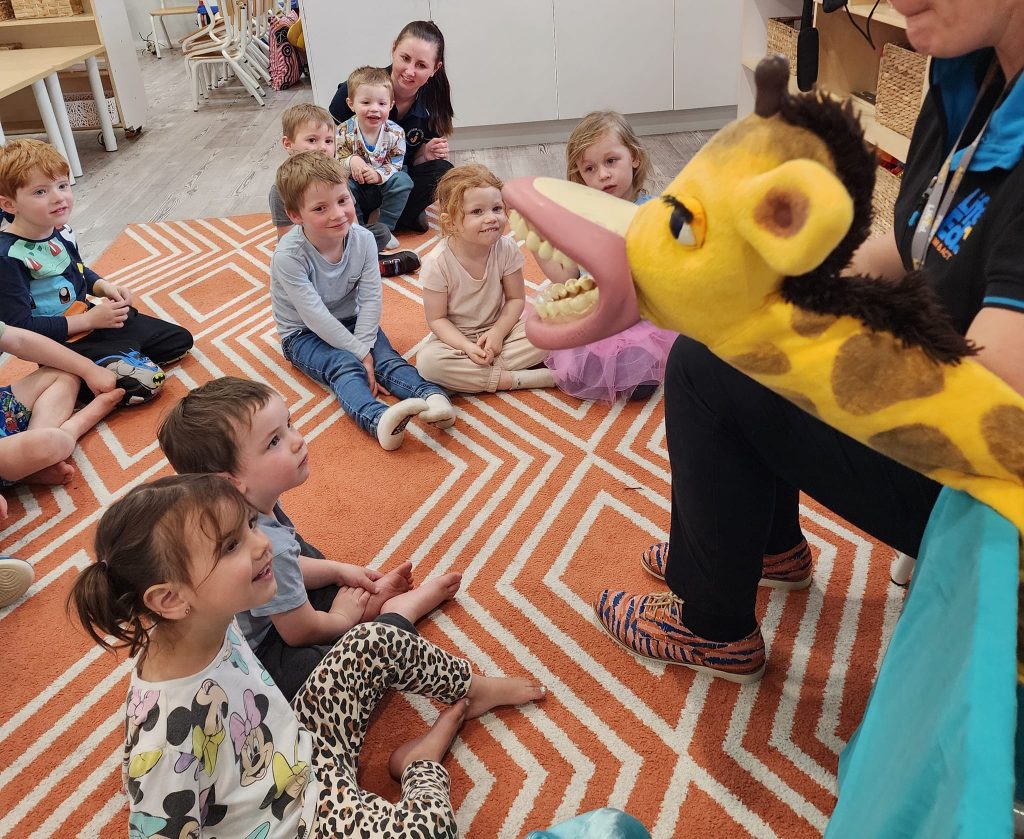
Literacy begins long before children learn to read independently. It starts with conversations, songs and shared stories. When adults talk with children, read aloud and encourage scribbling or drawing, they’re building strong foundations for language and comprehension.
Simple everyday experiences support literacy. Recognising signs in the community, playing rhyming games or pretending to write a shopping list all strengthen understanding of how written language works.
Examples include:
- Reading books together
- Playing I Spy
- Encouraging drawing and early writing
- Talking about letters and sounds
- Following simple instructions while cooking
Water play
Water play naturally sparks curiosity. Give a child a container of water, and they’ll instinctively begin experimenting, pouring from one cup to another, testing what floats, noticing what sinks and wondering why.
In these simple moments, they’re developing early maths and science skills. They are learning about volume, cause and effect, measurement and prediction without even realising it.
When water play happens outdoors, the benefits are even greater. Fresh air, open space and natural surroundings support physical wellbeing and give children room to move freely.
Exploring puddles, gardens or sand and water areas builds confidence and independence, while gently nurturing a sense of respect and curiosity about the natural world around them.
Examples include:
- Pouring and measuring with containers
- Changing water colour with food colouring
- Floating and sinking experiments
- Blowing bubbles
- Painting outdoor surfaces with water
- Freezing objects in water and exploring how to free them
FAQs
What is the difference between play-based learning and free play?
Play-based learning uses intentional practices to support children’s holistic growth. Educators pay close attention to what children are interested in, then gently guide or extend the play to build skills like communication, thinking, and social confidence.
Free play differs in that it is completely led by the child. Children decide what to play, how to play, and when to finish, without adult direction or learning goals.
Both types of play are valuable, and a healthy balance of each supports a child’s overall development.
What is the Early Years Learning Framework?
The Early Years Learning Framework, often known as the EYLF, is Australia’s national curriculum framework for early childhood education and childcare. It guides how educators support the learning, development and well-being of children from birth to five years.
The EYLF is built around three core concepts: belonging, being and becoming. These principles recognise that children learn best when they feel safe and connected, are valued for who they are right now, and are supported as they grow and develop over time.
Play-based learning sits at the centre of the framework. The EYLF recognises that young children learn through play, exploration and meaningful interactions.
Through play, children build essential communication, resilience, independence, cooperation and problem-solving skills.
What is cooperative play versus parallel play?
Parallel play occurs when children play near each other but not together. This is common in younger children and helps them build independence while observing how others play. For example, two children might sit side by side using their own toys without communicating or interacting.
On the other hand, cooperative play happens when children begin to play together with shared ideas or goals. They talk, take turns, solve problems, and learn how to work through differences. This type of play helps children develop empathy, communication skills, and a sense of belonging.
How does an educator help with play-based learning?
In play-based learning, educators act as supportive guides. We observe children closely, listen to their ideas, and step in thoughtfully when learning opportunities arise.
Rather than directing the play, our educators enrich it by asking questions, offering resources, and creating safe, welcoming spaces where children feel confident to explore and try new things.
How can I support play-based learning at home?
You don’t need special toys, tools or expertise to support play-based learning at home. Simple, everyday moments are often the most meaningful.
Here are a few tips to help you on your way:
- Build play into daily routines: Cooking together, sorting washing, gardening, or splashing in the bath all create natural opportunities for learning and connection.
- Let your child take the lead: Follow your child’s interests and cues. Some days they may want to play with you, and other days they may prefer to play independently.
- Join in with warmth and curiosity: When you do play together, be present. Talk, listen, laugh, and enjoy the moment rather than trying to teach or direct.
- Create space and time for play: Allow unhurried time, a safe space, and simple materials so your child feels free to explore, imagine, and create in their own way.
Remember, what matters most is not what you provide, but the permission you give your child to play, explore, and enjoy learning.
How do I choose the right play-based learning program for my child?
The right program is one where your child feels safe, valued, and curious. Look for an early learning environment that recognises your child’s individual interests and gives them opportunities to explore them in meaningful ways.
A strong play-based program will also offer a range of experiences, including indoor and outdoor play, creative spaces, and hands-on exploration.
Last but not least, children should be encouraged to make choices about what they play with, how long they engage, and whether they play alone or with others. This sense of choice supports confidence and a positive relationship with learning.
Is play-based learning suitable for children with additional needs?
Yes. Play-based learning is inclusive and adaptable, making it suitable for children with additional needs. Our educators can adjust materials, pace, and support to meet each child where they are.
Because play is flexible and responsive, it allows every child to participate in ways that feel comfortable, empowering, and enjoyable.
Discover play-based programs with Juniors Journey
Play-based learning is a wonderful tool to help children learn in natural, engaging, and developmentally-appropriate ways. Through stimulating, self-led and educator-supported activities, learners can become confident, curious, and capable individuals.
At Juniors Journey, our early childhood educators facilitate play that supports every area of your child’s growth, guided by EYLF principles.
For families in Gateshead, Mildura, and Eglinton, we offer a safe, nurturing learning environment where children can enjoy an enriching start to their education. Book a tour, enrol your child today or get in touch with our dedicated team to learn more.